Creating educational partnerships between organizations focused on sustainability and local schools can foster a culture of environmental stewardship among students. These initiatives not only enhance the educational experience but also prepare young minds to tackle pressing environmental challenges. This article explores how to develop effective partnerships with schools, focusing on practical approaches, real-world examples, and the role of sustainable landscaping—specifically xeriscaping—as a hands-on learning tool.
Understanding the Landscape of Educational Partnerships
The foundation of any successful partnership lies in mutual benefit. Organizations must clarify what they can offer schools while understanding educators' goals and challenges. Schools increasingly seek innovative ways to engage students in real-world issues, especially those related to sustainability. By aligning the objectives of both parties, partnerships can serve as platforms for experiential learning.
Schools are often eager to incorporate sustainability into their curricula, but they may lack resources or expertise. Here is where organizations specializing in sustainable practices can step in. Offering workshops, curriculum materials, or even hands-on projects can be immensely valuable. For instance, a local xeriscaping company might provide training sessions for teachers on sustainable landscaping practices that reduce water usage while enhancing biodiversity.
Identifying Key Stakeholders
Successful partnerships involve various stakeholders. School administrators play a crucial role in decision-making processes regarding external collaborations. Engaging them early helps ensure alignment with school policies and priorities. Teachers are another vital group; they can champion initiatives within the classroom and provide feedback on program effectiveness.
Furthermore, parents and community members often have vested interests in their children's education and local environmental health. Their involvement can bolster support for initiatives and bring additional resources into the partnership. Engaging these groups through informational meetings or community events establishes a sense of ownership over the project.
Crafting a Joint Vision
Once key stakeholders are identified, developing a shared vision becomes essential. This vision should articulate the goals of both the organization and the school community regarding sustainability initiatives. For example, if an organization focuses on xeriscaping services, it could partner with a school to create a drought-resistant garden that serves as both an educational tool and a community resource.
Workshops could focus on topics like plant selection for xeriscape gardens or techniques for maintaining such landscapes without excessive water use. Through hands-on activities, students learn not just about conservation but also about the importance of native plants and ecosystems.
Establishing Clear Objectives
Setting clear objectives is critical for measuring success as well as for ensuring accountability among partners. Objectives should be Specific, Measurable, Achievable, Relevant, and Time-bound (SMART). For example, an objective might be to install a xeriscape garden that reduces water usage by 30 percent within one year while providing students with at least ten hours of hands-on engagement.
Regular check-ins throughout the partnership allow stakeholders to evaluate progress toward these objectives and make adjustments as needed. This adaptability is crucial; educational environments are dynamic, often requiring rapid changes based on student needs or curricular shifts.
Implementing Sustainability Initiatives
With a shared vision and clear objectives established, it's time to implement initiatives that engage students actively in sustainability practices. Projects such as creating Visit this page school gardens not only beautify campus spaces but also serve practical purposes—like teaching students about food sources or fostering scientific inquiry through plant growth studies.
A notable example comes from a high school in Arizona that partnered with local landscape contractors specializing in xeriscaping design. The collaboration resulted in transforming an underutilized outdoor space into an interactive learning environment where biology classes could explore ecological concepts hands-on.
This project provided multiple benefits: reduced water consumption due to native plant choices, enhanced student engagement through active learning experiences outside traditional classrooms, and increased awareness among families about local environmental issues when they visited the school grounds.
Leveraging Local Expertise
Utilizing local experts like professional xeriscape designers enhances learning opportunities significantly. These professionals can offer workshops detailing best practices for sustainable landscaping while showcasing how their skills contribute positively to community resilience against climate change effects—such as prolonged droughts or flooding from intense storms.
Inviting guest speakers who specialize in different aspects of sustainability—like permaculture design or urban forestry—can further enrich students' understanding while broadening their perspectives on environmental responsibility beyond gardening alone.
Measuring Impact
To ensure long-term success and sustainability of educational partnerships involving schools and organizations focused on sustainability initiatives requires robust evaluation methods. Regular assessments help determine whether set objectives are being met or if adjustments need to occur based on evolving circumstances either within schools or communities at large.
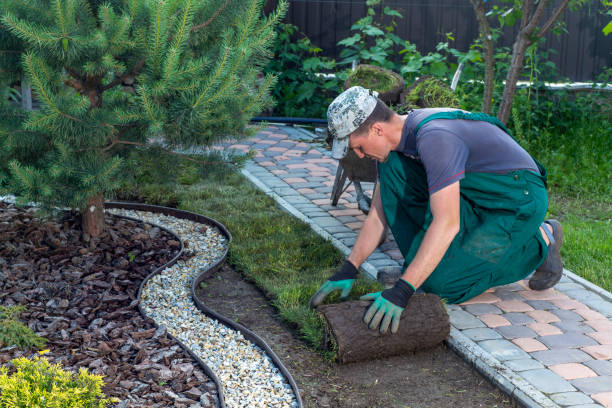
Measuring impact goes beyond quantitative metrics like water savings from xeriscaped areas; qualitative measures—such as student engagement levels or shifts in attitudes towards conservation practices—are equally important indicators of success over time.
Gathering feedback through surveys from teachers participating in workshops allows organizations to refine programs continually based on participant experiences while demonstrating value back to schools involved in these collaborations.
Celebrating Successes
Celebrating milestones creates momentum within partnerships and highlights successes achieved through collaborative efforts between schools and organizations pursuing sustainability initiatives together! Hosting events where students showcase their projects fosters pride within communities about collective accomplishments—from planting days held at schools featuring native plants selected specifically for xeriscapes—to family-friendly gatherings celebrating completed gardens!
Highlighting stories through local media outlets generates excitement around ongoing efforts while encouraging other stakeholders interested in forming similar partnerships! Sharing tangible results reinforces commitment towards future endeavors aimed at advancing environmental education across communities!
Navigating Challenges Together
While many benefits accompany establishing educational partnerships focused on sustainability initiatives with schools—it is essential also acknowledge potential challenges encountered along this journey! Time constraints prevalent within busy academic calendars pose significant hurdles when trying integrate new programs into existing curricula effectively!
Additionally securing funding sources remains another common obstacle faced by many organizations seeking support sustaining long-term projects involving multiple stakeholders! Identifying grants specifically targeting educational outreach related topics such as conservation education will help alleviate some financial burdens associated with launching these types endeavors!
Open communication channels throughout all phases—from initial planning stages through execution not only strengthens relationships between partners but encourages problem-solving collaboratively when unexpected issues arise during implementation processes!
By embracing flexibility alongside transparency stakeholders cultivate trust necessary overcoming obstacles together while fostering positive outcomes benefiting everyone involved—including ultimately enriching student experiences surrounding their connections nature!
Conclusion: A Call to Action
The need for collaborative efforts centered around educating future generations about sustainable practices has never been greater than now! Developing educational partnerships between organizations focused on sustainability initiatives like xeriscaping—and local schools provides invaluable platforms cultivating knowledge sharing inspiring action towards protecting our planet’s resources responsibly!
Engaging young learners today empowers them become informed stewards tomorrow capable addressing pressing global challenges such climate change biodiversity loss pollution—all rooted deeply within understanding principles underlying sustainable living! As we move forward collectively nurturing these relationships offers tremendous potential unlocking possibilities transforming how communities approach environmental stewardship together holistically enriching lives across generations!